📍 Celebrated mainly in St. James (a suburb of Port-of-Spain), and Cedros (in southwest Trinidad).
Description
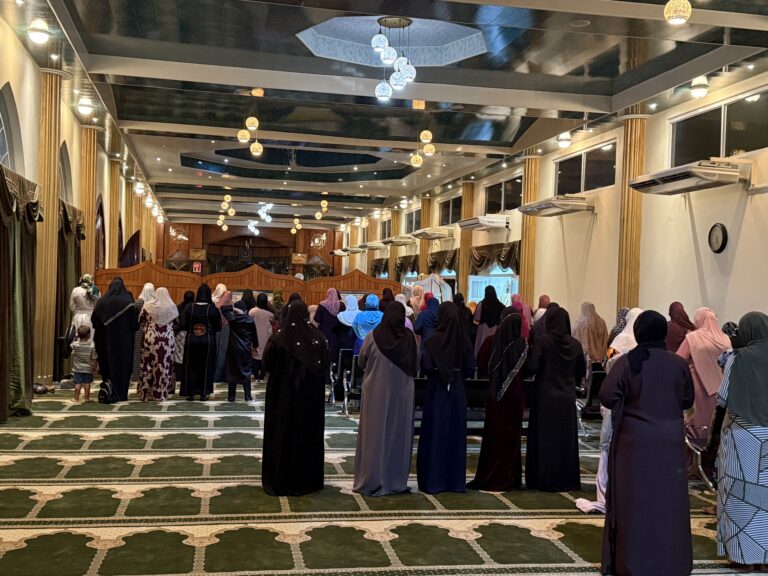
Generally, Hosay lasts for ten-twleve days and is observed in accordance with the Islamic lunar calendar and in line with ten days of Ashura commemorated by Shia Muslims throughout the world. In Trinidad, The festival occurs over a twelve-day / night period; with highlights include day seven being- the ‘Flag Night’, day eight – ‘Small Hosays (Petit Bonjay) and Moons, and day nine ‘The Night of the Big Hosay’. On the tenth day, tadjahs (ornate, multi-coloured model mausoleums, or mosque-like structures) which are a central to the Hosay Festival are visible on the streets from mid-morning. They are paraded along specific routes in the area based on a prearranged order of appearance.
Brief History
The term ‘Hosay’ is the creole word used to refer to the 1880s Muharram observances called taziya-dari (tadjah) with the word ‘Hosay’ being a version of the name ‘Hussein’. The celebration of Muharram originated in India, and it was commemorated by both Muslims and Hindus. It was first observed in 1847 in San Fernando, and in 1865 in areas such as St. James and Chaguanas. The festival commemorates the significant events of Islamic history which are narrated and commemorated during a ten-day period. It observes the Martyrdom of Hussein (Hussain), the Prophet Mohammed’s grandson, his younger brother Janab Hazrat Abass (Hassan), and seventy friends and relatives. Shia Muslims, mourn the deaths of over the period during the month of Muharram (the first month on the Islamic calendar) and on the tenth day, Imam Hussein’s slaughter and martyrdom is observed in a street procession.
Points of Interest
The street procession commemorates the slaughter and final martyrdom of Imam Hussein. The janaza, which is commemorated on the twelfth day, ends the abstinence and participants participate in a community meal.