📍 Countrywide
Description
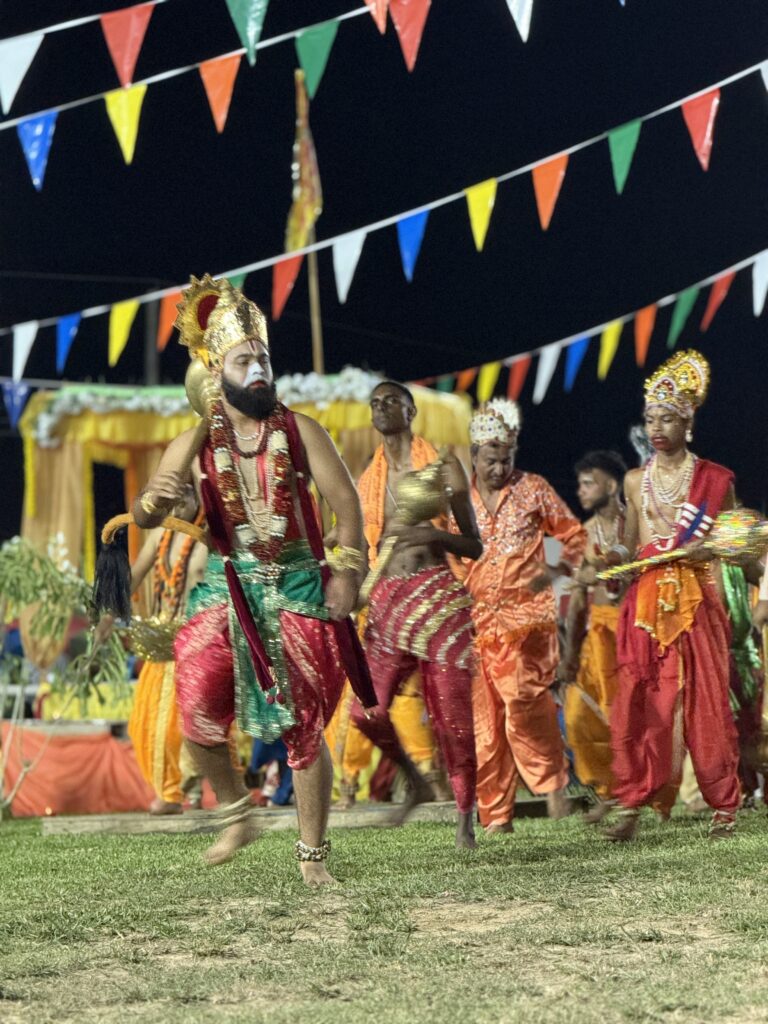
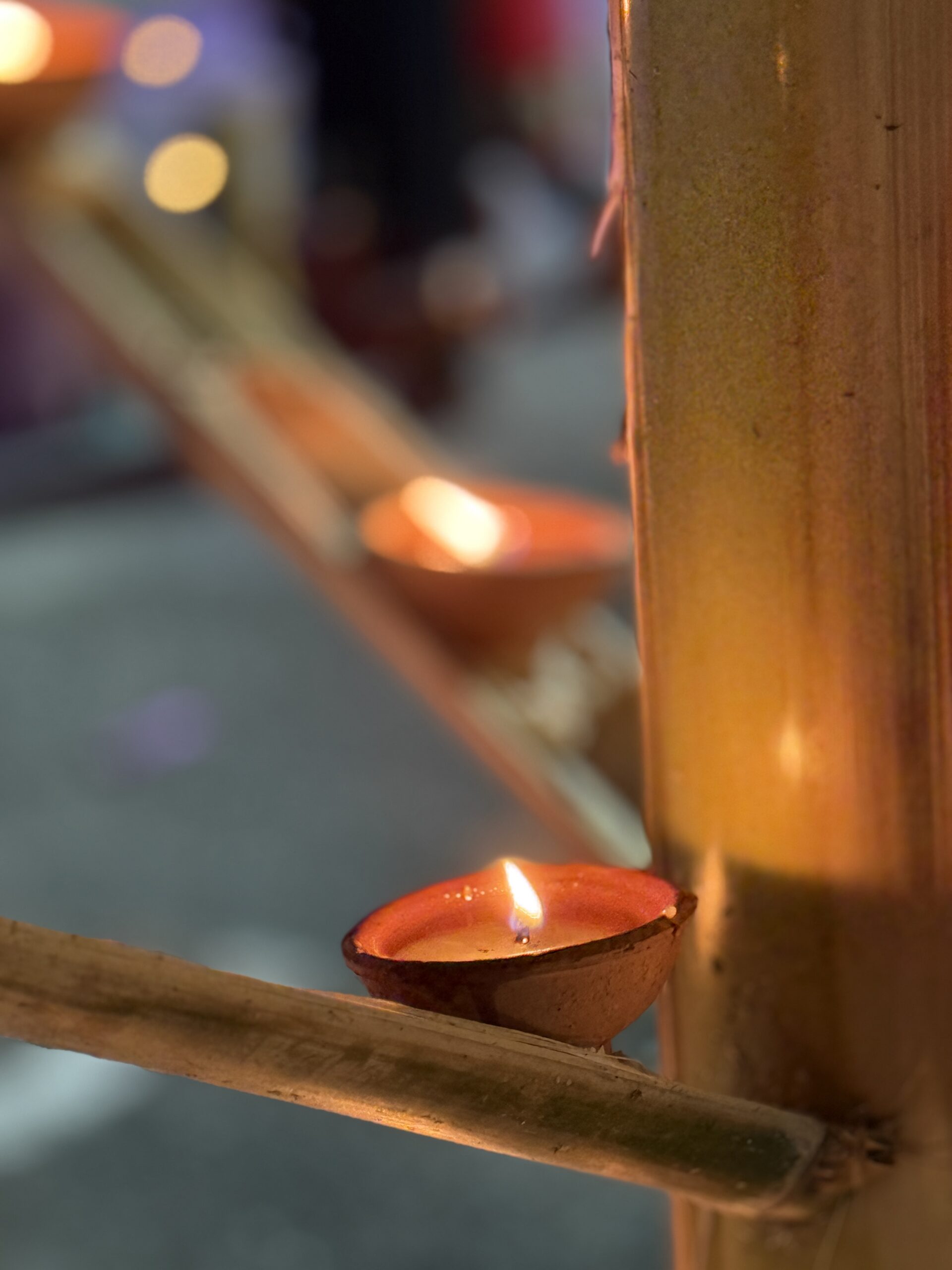
Divali, the Hindu Festival of Lights, symbolizes the triumph of light over darkness and good over evil and is a time of joy, reflection, and togetherness. Visitors can partake in the festivities, and this includes strolls through beautifully decorated streets, with arched bamboo displays lit with oil lamps (diyas) that illuminate the night with a warm, golden glow. Intricate rangoli designs are seen on the streets and persons adorn themselves in traditional Indian wear such as Gararas and Sarees which add to the festive atmosphere. During the Divali season, the islands comes alive with fun cultural events, from traditional music and dance performances to Hindu storytelling and temple ceremonies. Divali is also celebrated by cooking traditional food and sweets, with Hindu households welcoming family and friends to partake in the festivities.
Brief History
Divali is a Hindu festival commemorated in India and other countries around the world. It is celebrated on Amaavasya (the fifteenth night of the dark fortnight of the month of Kaartik- October / November). It was brought to Trinidad and Tobago by our East Indian ancestors. Generally, it is referred to as “The Festival of Lights”. Historically, it is celebrated by lighting deyas made of clay and filled with oil or ghee. Hindus also clean their homes and surroundings, wear new clothing and give to those in need.
Points of Interest
o The word "Divali" is a variation of the Sanskrit word "Deepavali" - Deepa meaning light and Avali, meaning a row. o The Divali Nagar (Chaguanas) is an annual central hub that features a massive cultural exposition with stalls, live performances, Hindu cultural displays, Indian cuisine, clothing, henna (mehndi) booths, and activities for kids, attracting visitors from across the Caribbean. o Villages (e.g., Felicity) are beautifully illuminated, allowing for scenic drives or tours featuring stunning home decorations, including traditional deyas, electric lights, and flambeaux (flaming bamboo stalks).